
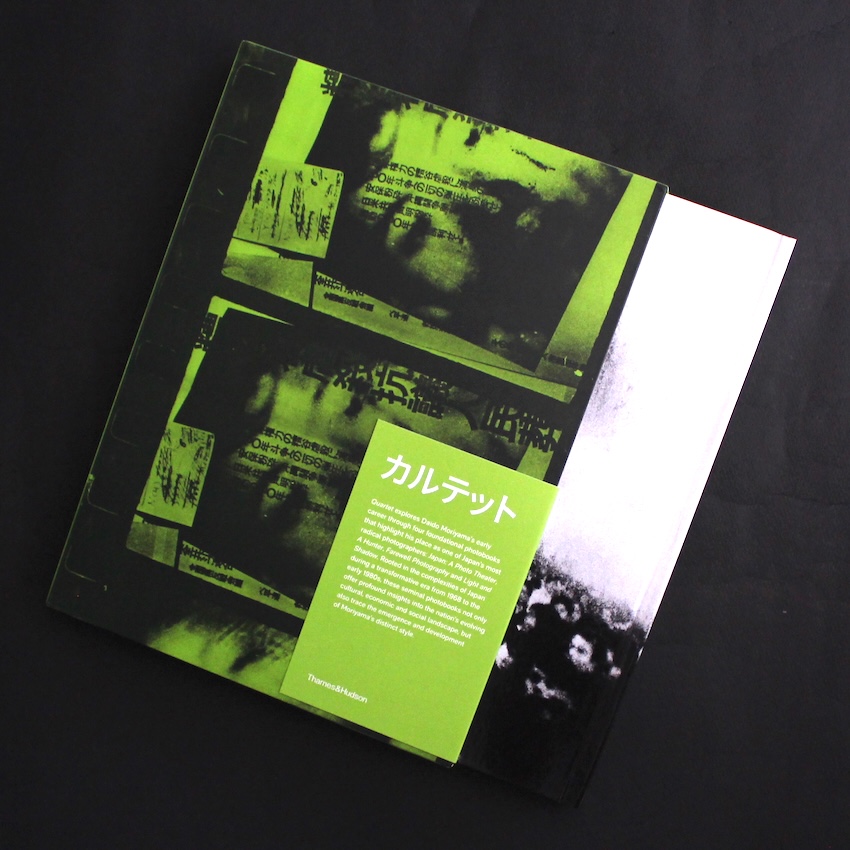
カルテット / Quartet
森山 大道 / Daido Moriyama
¥16,500(¥15,000 + tax)
Publisher/Thames & Hudson
Published/2025Format/ハードカバー&スリップケース Pages/440 Size/225*300*380
 Google翻訳
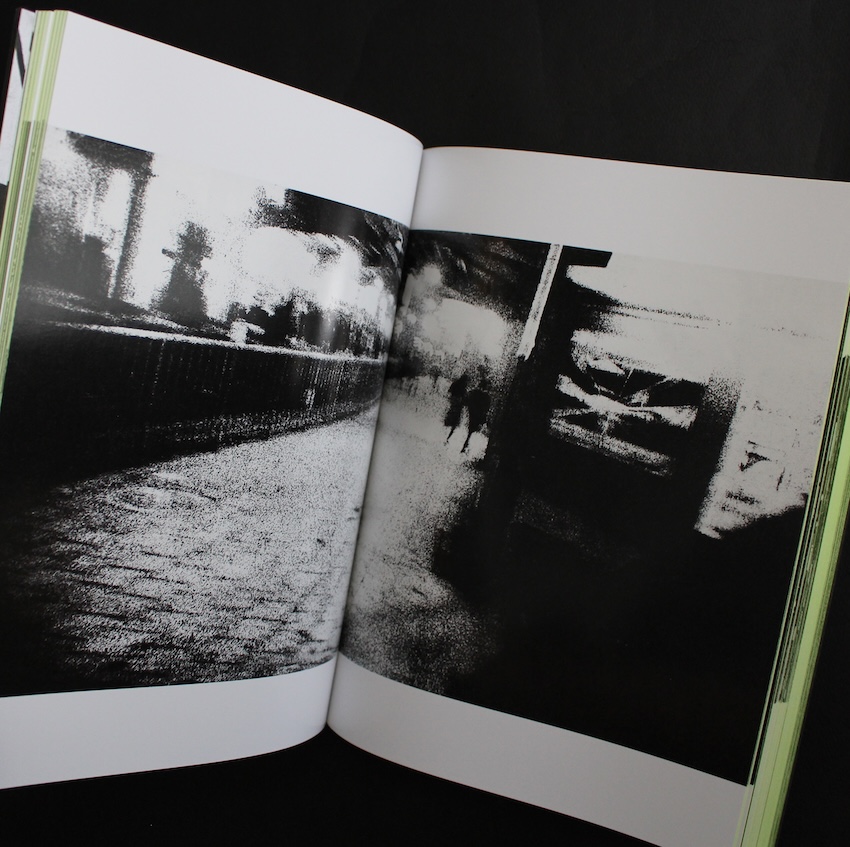
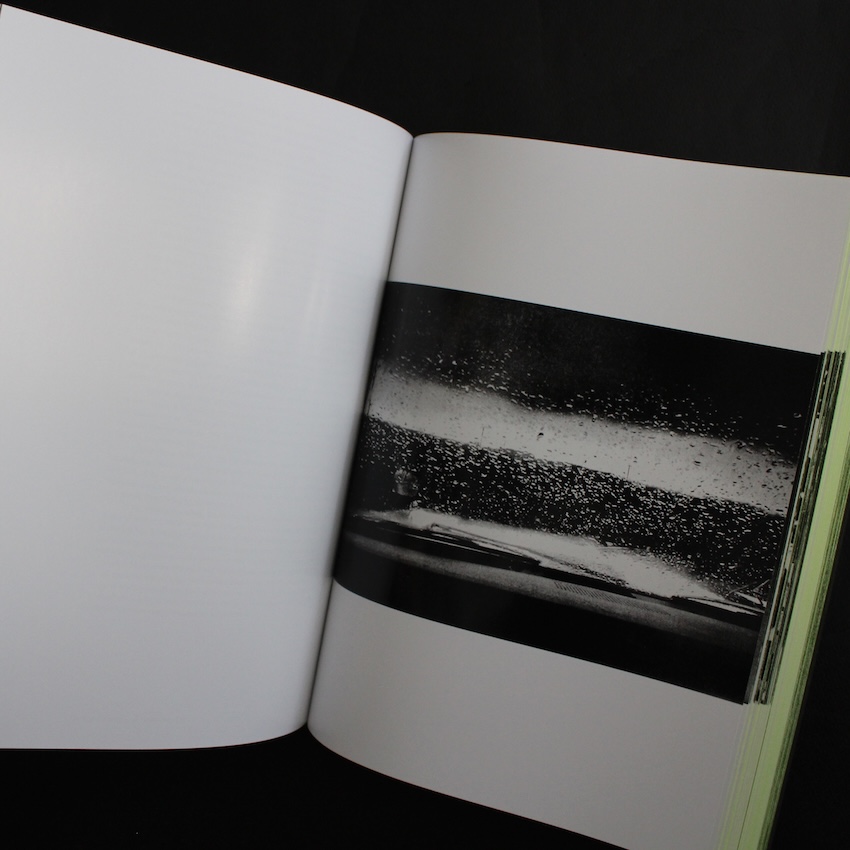
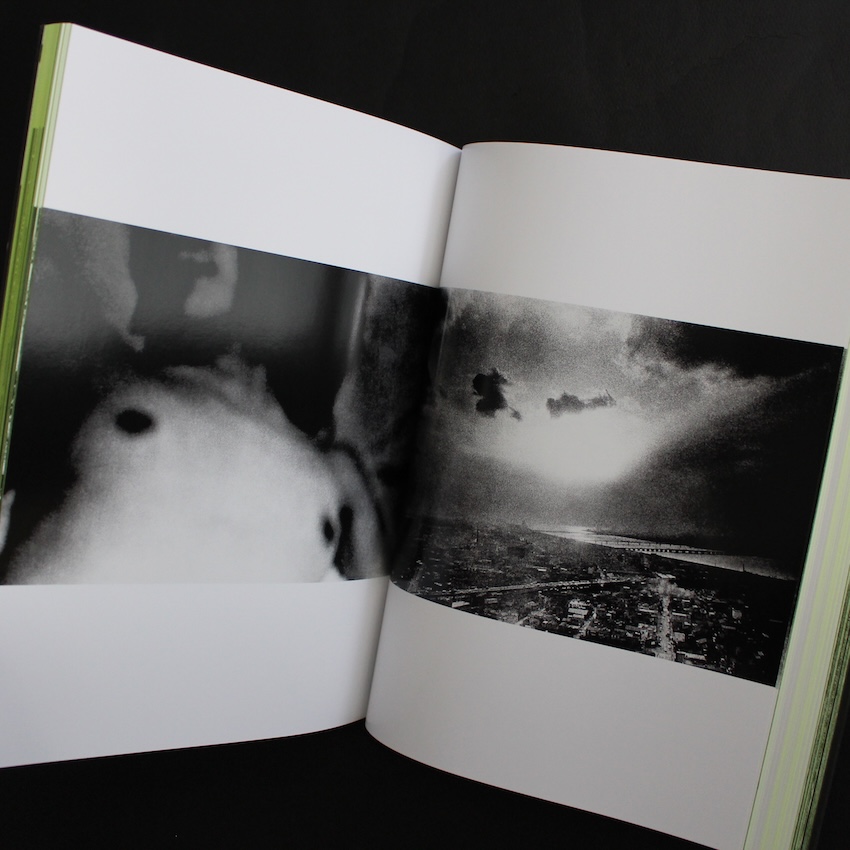
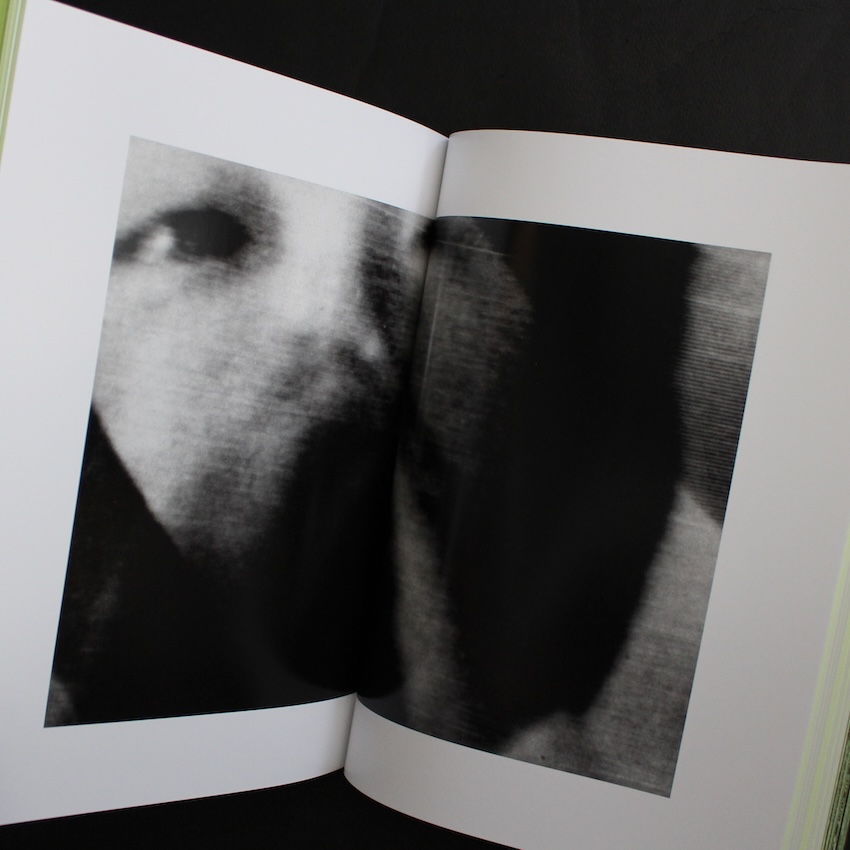
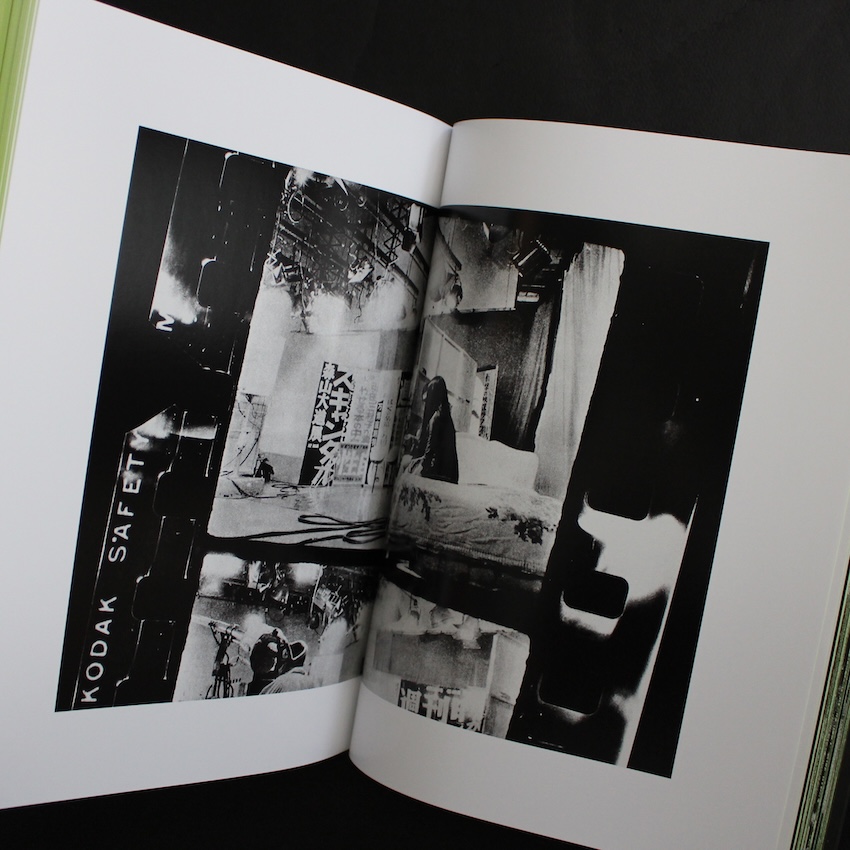
"Quartet" is a collection of works by Japanese photographer Daido Moriyama (1938-). Moriyama, who is internationally acclaimed as a leading figure in postwar Japanese photography, has repeatedly photographed Shinjuku, Yokosuka, alleys in regional cities, advertisements, dogs, and U.S. military bases since the late 1960s, sharply capturing the chaos, loneliness, and unstable perceptions that permeated Japan during its period of rapid economic growth. After gaining experience under Eikoh Hosoe, he resonated with the zeitgeist surrounding "Provoke" magazine, and through his coarse-grained, high-contrast expression known as "rough, blurry, out-of-focus," he redefined photography not as a "record" but as a bodily sensation and impulse. The title of this book, "Quartet," comes from the fact that it is structured around four important works that defined Moriyama's photographic expression: "Nippon Gekijo Shashincho," "Karyudo," "Shashin yo Sayonara," and "Hikari to Kage." Each element, possessing different phases such as the landscape of postwar Japan, a shifting gaze, an impulse to deconstruct photography itself, and a fragmented perception of the city, resonates with one another, shaping the "language" of photographer Moriyama. Edited by Mark Holborn, who has worked on Moriyama's work for many years, this book, which weaves in diaries and fragments, brings to life Moriyama's practice of using the photobook medium itself as the core of his expression.





The Elements: Air and Water; Part1 / 1970-1980


Helix(Signed)
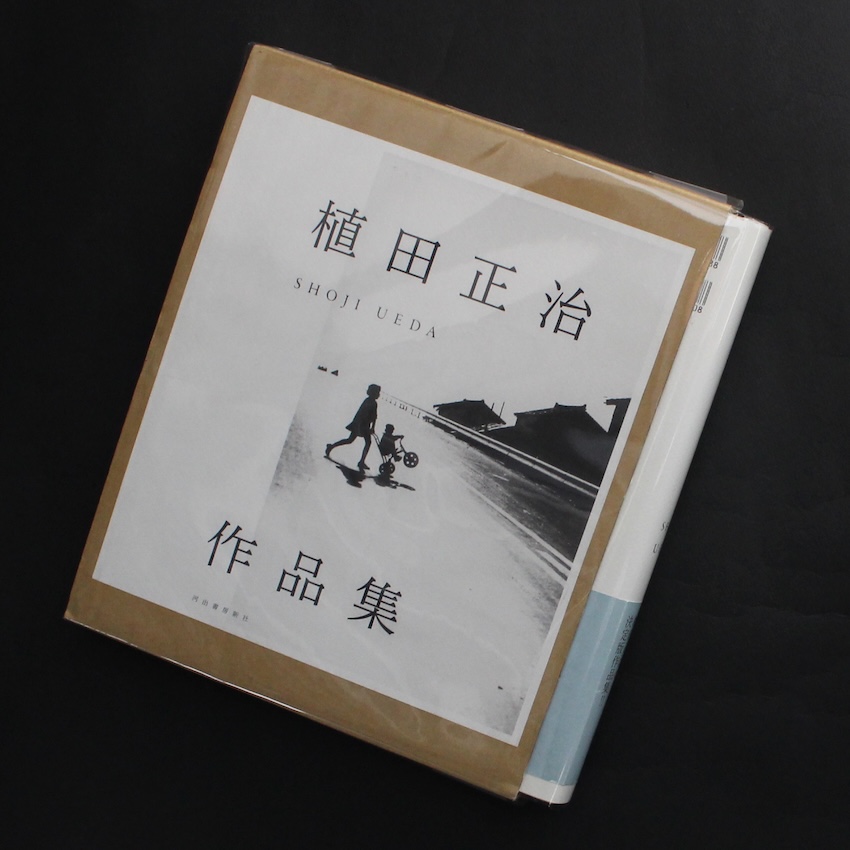

植田正治作品集(With Shipping Box)