

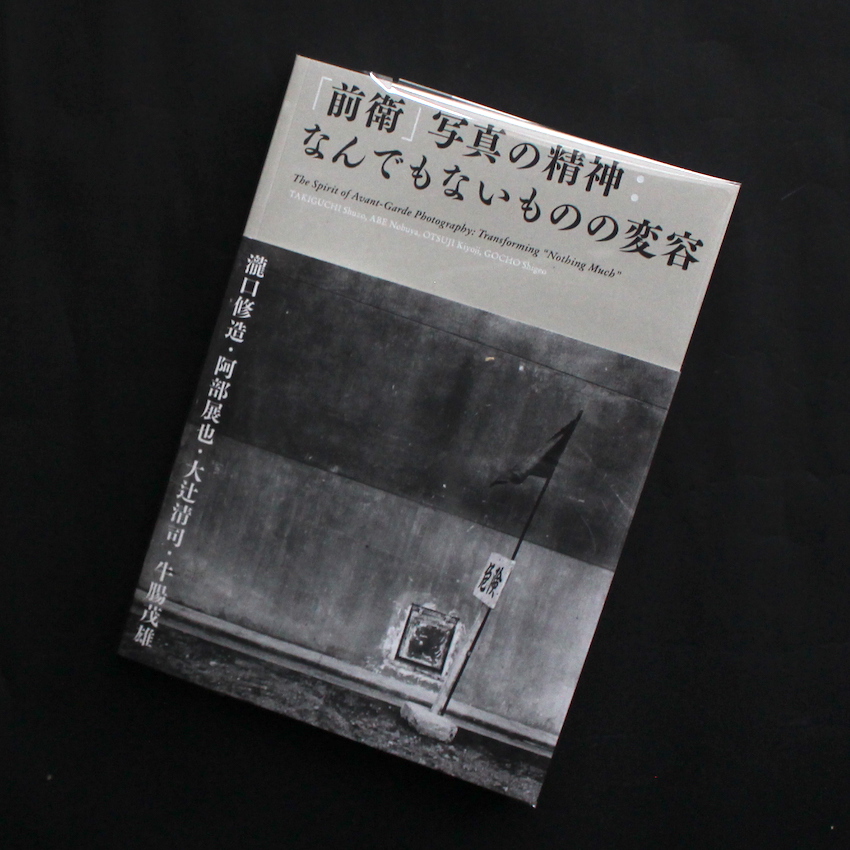
「前衛」写真の精神:なんでもないものの変容 / The Spirit of Avant-Garde Photography: Transforming ''Nothing Much''
-
SOLD OUT
Publisher/赤々舎
Published/2023Format/ソフトカバー Pages/243 Size/180*255*20
 Google翻訳
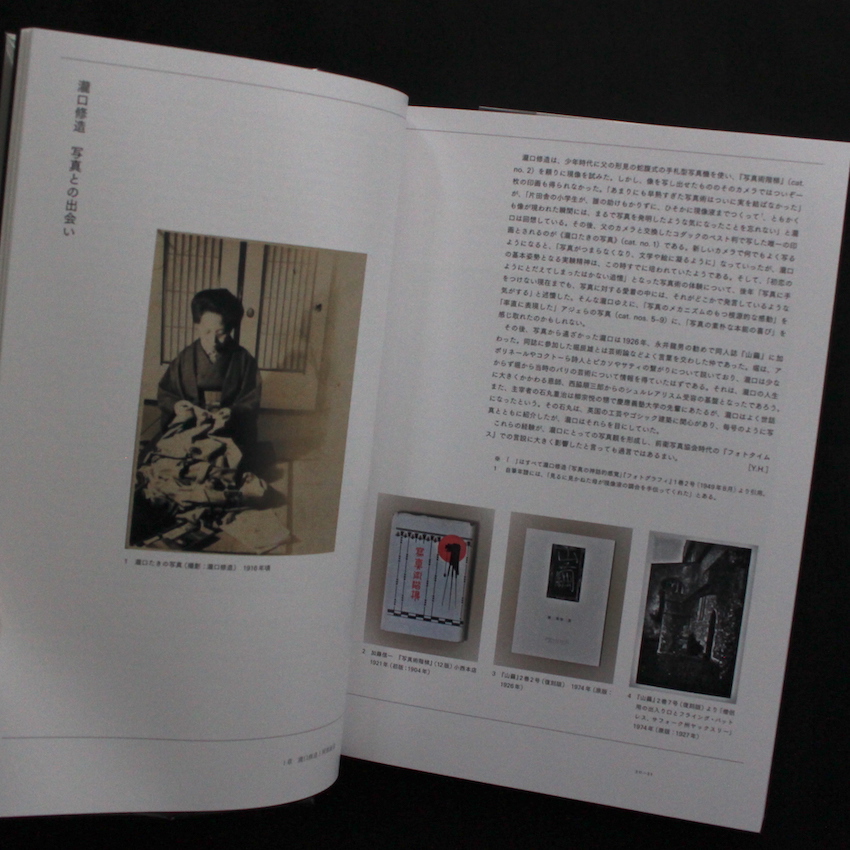
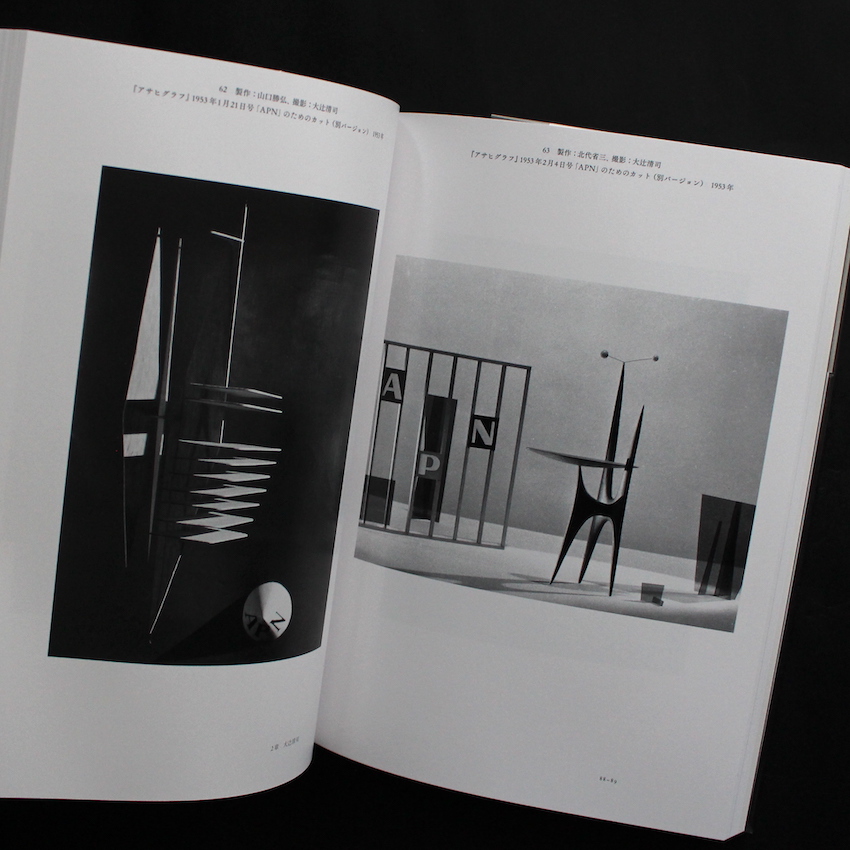
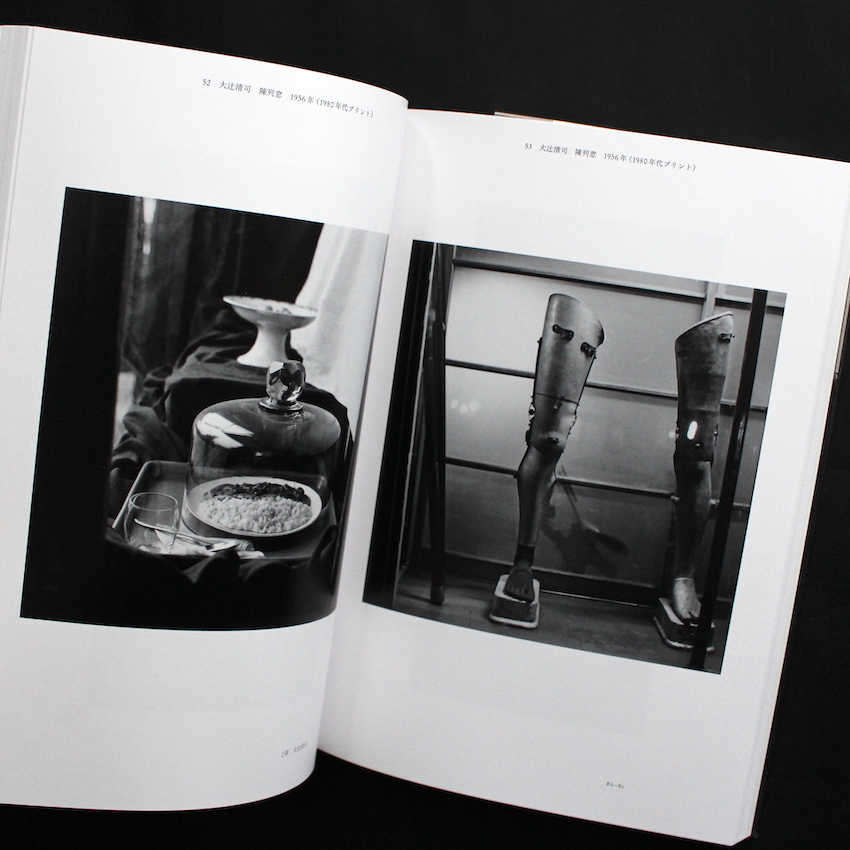
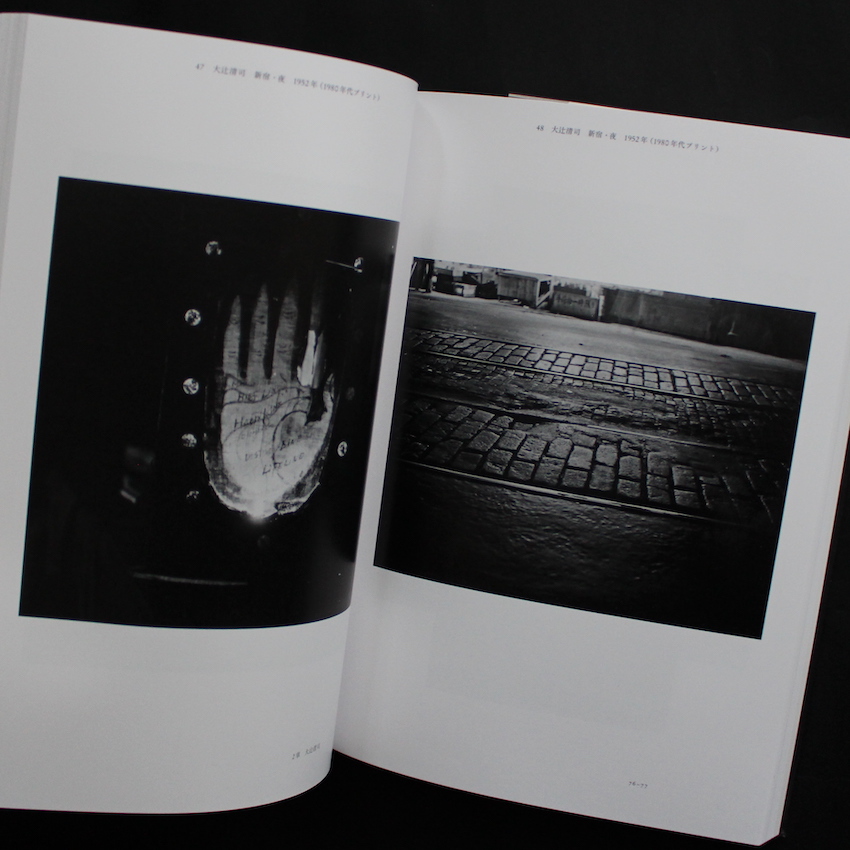
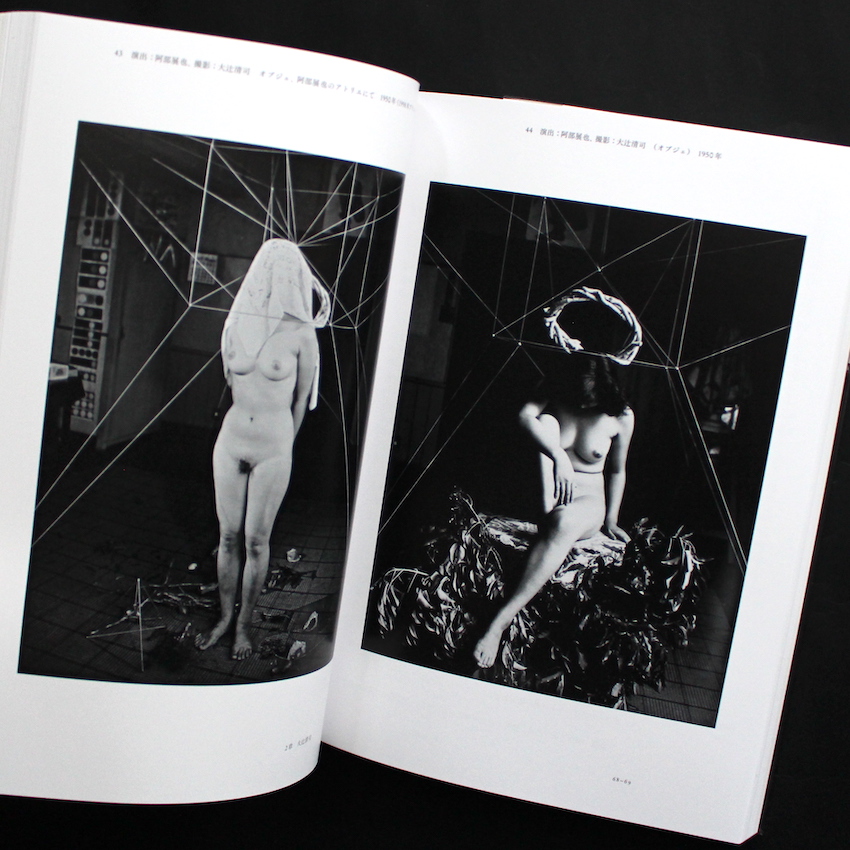
This book carefully traces the lineage of postwar Japanese "avant-garde" photography thought and practice, focusing on four figures: poet and art critic Shuzo Takiguchi (1903-1979), photographers Nobuya Abe (1913-1971), Kiyoji Otsuji (1923-2001), and Shigeo Gocho (1946-1983). This book revisits and reconstructs the flow of these works: Takiguchi introduced new perspectives to photography through art and poetry, Abe turned his attention to the everyday, Otsuji explored the origins of photographing objects, and Gocho shed light on the invisible structures hidden in everyday scenes. The anthology is structured around three time periods: the 1930s-40s, 1950s-70s, and 1960s-80s, with chapters charting the historical background and changes in photographic expression in each period. While technically focused, the book is consistent in its perspective of how "ordinary things" undergo "transformation" through the depiction of them through the axes of objects, places, time, and records, and it questions the very nature of photography and its margins. This book can be said to be an important resource for understanding the ideological foundations of the avant-garde photography movement of the time, as well as for looking back on contemporary photographic expression.
<Condition> Very good.



キズアト / Scars

Hikaru Utada Science Fiction Tour 2024 Nine Stories


ヨーロッパの風景 / Sketching Tour In Europe